
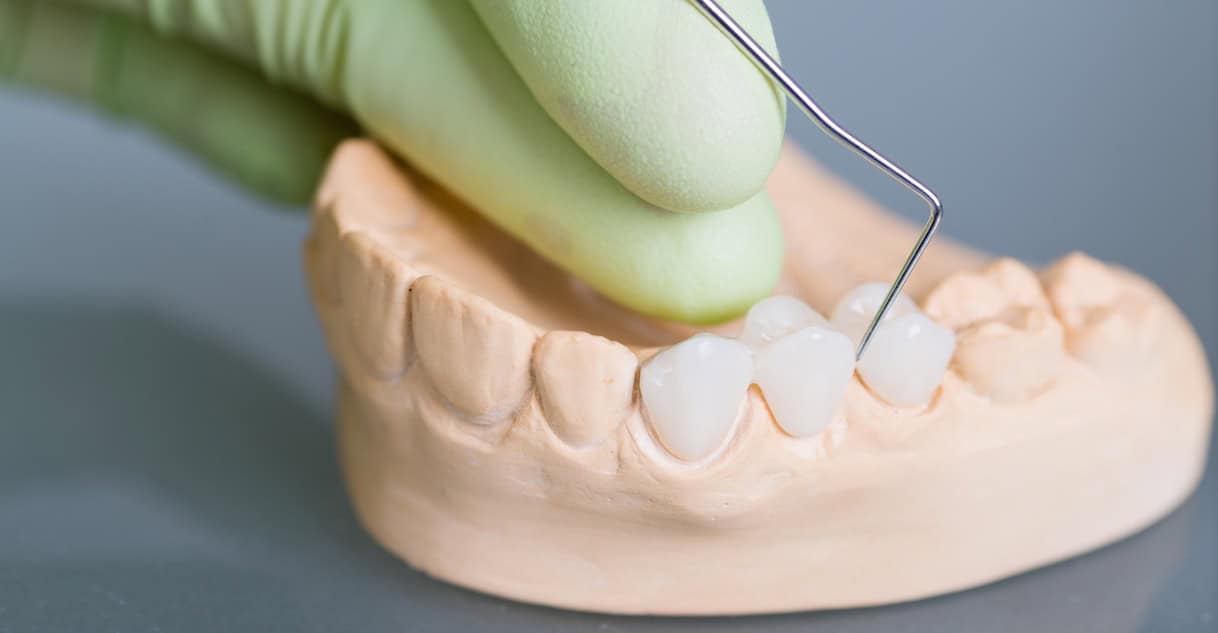
If you’re missing one or more teeth, dental bridges are a proven solution to restore both function and appearance. However, not all bridges are created equal. Understanding the different types of dental bridges and the materials used can help you choose the best option for your long-term oral health.
What Is a Dental Bridge?
A dental bridge is a fixed restoration used to replace missing teeth by anchoring an artificial tooth (or teeth) to surrounding teeth or implants. Bridges help restore your ability to chew and speak while maintaining the natural shape of your face.
Modern dental bridges are also designed with high-quality materials. The materials we use for bridges include exceptionally strong Zirconia ceramic and the aesthetically pleasing EMAX, depending on your specific needs for strength, durability, and esthetics.
1. Traditional Dental Bridges
Traditional bridges are the most common type. They consist of one or more artificial teeth held in place by crowns attached to the natural teeth on either side of the gap.
Pros:
- Strong and reliable
- Natural-looking results
- Long-lasting with proper care
Cons:
- Requires reshaping adjacent healthy teeth
Best for: Patients with strong teeth on both sides of the missing tooth.
Zirconia is often used in these bridges for its superior strength, while EMAX may be chosen for highly visible areas where esthetics matter most.
2. Cantilever Dental Bridges
Cantilever bridges are used when only one adjacent tooth is available to support the bridge.
Pros:
- Useful in limited-support situations
- Less preparation than traditional bridges
Cons:
- Less stable over time
- Not ideal for high-pressure chewing areas
Best for: Front teeth or areas with less bite force.
Material selection is especially important here, as durability must be balanced with minimizing stress on the supporting tooth.
3. Maryland Dental Bridges
Also known as resin-bonded bridges, Maryland bridges use a framework bonded to the backs of adjacent teeth rather than crowns.
Pros:
- Minimally invasive
- Preserves natural tooth structure
- More conservative option
Cons:
- Less durable than other types
- Can loosen over time
Best for: Replacing front teeth where appearance is a priority.
EMAX is commonly used in these cases for its lifelike translucency and natural appearance.
4. Implant-Supported Dental Bridges
Implant-supported bridges are anchored to dental implants rather than natural teeth. This is the most advanced and durable option available.
Pros:
- Extremely stable and long-lasting
- Helps prevent bone loss
- Doesn’t impact surrounding teeth
Cons:
- Higher upfront cost
- Requires surgery and healing time
Best for: Patients missing multiple teeth or seeking a permanent solution.
Zirconia is often the preferred material here due to its exceptional strength and wear resistance.
How to Choose the Right Dental Bridge
Choosing the right dental bridge depends on:
- The location of the missing tooth
- The condition of the surrounding teeth
- Your budget and timeline
- Your goals for durability and appearance
Your dentist will help determine whether Zirconia, EMAX, or a combination is best suited for your specific case.
Final Thoughts on Dental Bridge Options
Dental bridges are not one-size-fits-all. From traditional to implant-supported options, each type offers unique benefits. Combined with advanced materials like Zirconia for strength and EMAX for esthetics, today’s bridges provide both durability and a natural look.
If you’re considering a dental bridge, a professional consultation is the best way to find the right solution for your smile and lifestyle. At Bills, Petrilli & West, located near the Arboretum in Charlotte, NC, we are here to help. Contact us today!