
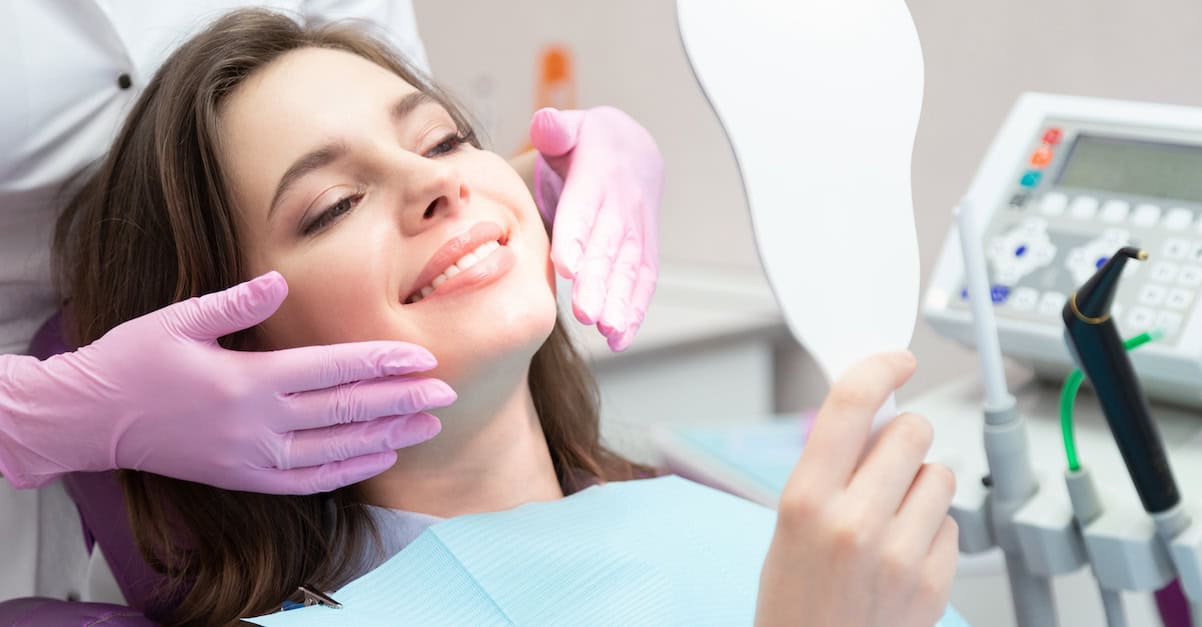
Teeth whitening is one of the most popular cosmetic dental treatments today, and it’s easy to see why. A brighter smile can boost confidence and make a great first impression. However, one of the most common questions we hear from patients is: “Is teeth whitening safe for my teeth?” The short answer is yes, when done correctly and for the right candidate, but there are important details everyone should understand before starting treatment.
How Teeth Whitening Works
Professional teeth whitening uses peroxide-based agents that penetrate the enamel to break down stains caused by food, drinks, aging, or tobacco. When used appropriately, these agents do not damage healthy enamel. Problems typically arise when whitening products are overused, misused, or used without considering a person’s oral health.
Who Is a Good Candidate for Teeth Whitening?
Most adults with healthy teeth and gums are good candidates for whitening. Ideal candidates generally:
- Have no active tooth decay or gum disease
- Have natural teeth (not crowns or veneers) in the visible areas
- Want to address yellow or surface stains, rather than deep internal discoloration
Whitening is not recommended for children, pregnant individuals, or patients with untreated dental issues. Additionally, teeth with crowns, fillings, or veneers will not change color, which can lead to uneven results if whitening is done without proper planning.
Common Side Effects (and Why They Happen)
The most common side effect of teeth whitening is temporary tooth sensitivity. This occurs because the whitening agents can temporarily open microscopic pores in the enamel, allowing stimuli like cold air or liquids to reach the inner tooth more easily. Sensitivity typically resolves within a few days after treatment.
Some people may also experience mild gum irritation, especially if the whitening gel comes into contact with the soft tissues. This irritation is usually short-lived and improves once treatment stops.
Importantly, these side effects are generally temporary and manageable, particularly when a dental professional supervises whitening.
Professional Whitening vs. Over-the-Counter Products
While store-bought whitening strips and gels can be effective for some people, they are often used without a dental exam. This means underlying issues, such as cavities, cracked enamel, or gum recession, may go unnoticed and worsen with whitening.
Professional whitening offers:
- Custom-fit trays or controlled in-office application
- Stronger yet carefully monitored whitening agents
- Reduced risk of sensitivity and gum irritation
- Guidance tailored to your oral health
Why a Dental Evaluation Matters
Before whitening, a dentist can determine whether discoloration is due to surface stains or internal factors, and whether whitening is the best option. In some cases, alternative cosmetic solutions may provide better and safer results.
Final Thoughts
Teeth whitening is a safe and effective cosmetic treatment for many people, but it isn’t one-size-fits-all. Understanding if it will work for you, potential side effects, and the importance of professional guidance can help you achieve a brighter smile without compromising your oral health. If you’re considering whitening, the best first step is a conversation with your dentist to ensure it’s done safely and effectively. If you are in the South Charlotte, NC, area, contact Bills, Petrilli & West to learn more about teeth whitening.