
If you have an older filling that is damaged or a tooth with new decay, you may wonder why your dentist recommends a crown instead of simply replacing the filling. While fillings and crowns can both restore damaged teeth, they provide different levels of protection. The right choice usually depends on how much healthy tooth structure remains and whether the tooth is strong enough to support another filling.
When Is a Filling the Right Choice?
A dental filling repairs an area of a tooth damaged by decay. The dentist removes the decayed material, cleans the area, and replaces the missing tooth structure with a restorative material. This helps restore the tooth’s normal shape and function while sealing spaces where bacteria could enter.
According to the practice’s overview of dental fillings, the location and extent of the necessary repair matter when choosing a filling material. Fillings are generally a conservative and effective option when the damaged area is relatively small and enough strong tooth structure remains around it.
However, when a dentist replaces an old filling, they may need to remove additional weakened or decayed tooth material. Eventually, there may not be enough healthy tooth left to hold another filling securely.
Why Might a Crown Be Necessary?
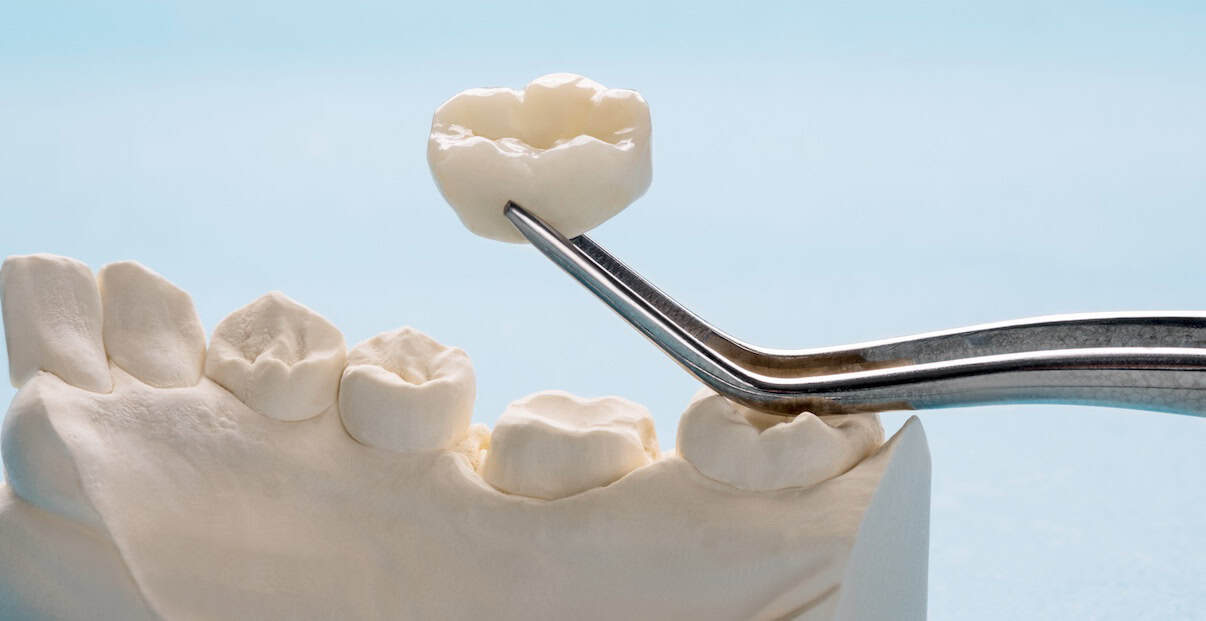
A dental crown, sometimes called a cap, covers the entire visible portion of a damaged tooth. Instead of filling only one section, a crown surrounds the tooth and helps hold it together.
The American Dental Association explains that a crown can strengthen a tooth with a large filling when not enough natural tooth remains to support that filling. A crown may therefore be recommended when placing another filling could leave the tooth vulnerable to cracking or breaking.
Our dental crowns and bridges page lists several situations in which a crown may be used, including:
- Replacing a large filling when minimal tooth structure remains
- Protecting a weak tooth from fracturing
- Restoring a tooth that has already broken
- Covering and protecting a tooth following root canal treatment
- Improving the shape or appearance of a damaged tooth
Large fillings can leave the remaining walls of a tooth relatively thin. Those walls must still withstand the pressure created by everyday biting and chewing. If they are too weak, another filling may repair the missing area without adequately protecting the rest of the tooth. A crown distributes chewing forces across a larger area and provides more complete coverage.
Why Not Wait Until the Tooth Breaks?
A weakened tooth may not always hurt before it fractures. Unfortunately, once a crack extends deeply into the tooth, or below the gumline, the treatment may become more complicated. Depending on the damage, the tooth could require root canal treatment or may no longer be repairable.
Recommending a crown before the tooth breaks is often intended to preserve the natural tooth and reduce the risk of a dental emergency. Although a crown is a more involved restoration than a filling, it may offer the strength a heavily repaired tooth needs.
The Recommendation Is Based on Your Tooth
Needing a crown does not mean fillings are ineffective. It simply means that another filling may no longer provide enough support for that particular tooth. Your dentist will consider the amount of healthy tooth remaining, the size and location of the damage, any existing cracks, and the pressure the tooth experiences when you bite.
If you have questions about why a crown has been recommended, ask to see the tooth and any relevant X-rays. The team at Caldwell, Bills, Petrilli & West Dentistry will explain your treatment options and help you understand the best way to protect your smile. Schedule an appointment at their Charlotte office, near the Arboretum, to learn more.