
When you think about cavities, you probably imagine a painful toothache or sensitivity to hot and cold foods. But what if your dentist tells you that you have a cavity, even though your tooth feels perfectly fine?
The truth is that you can have a cavity without experiencing any pain or sensitivity. In fact, many cavities develop without noticeable symptoms, especially early on. Understanding why this happens can help you protect your teeth and avoid more complicated dental problems.
Why Can You Have a Cavity Without Pain?
A cavity forms when bacteria in your mouth produce acids that gradually damage tooth enamel. However, not every stage of tooth decay causes discomfort.
Here are a few reasons why your cavity might not hurt.
1. Tooth Enamel Doesn’t Have Nerves
The outer layer of your tooth, called enamel, doesn’t contain nerves. When decay first begins affecting the enamel, you typically won’t feel anything.
As the cavity progresses into the dentin beneath the enamel, you may start to feel sensitivity. However, even cavities that reach the dentin don’t always cause noticeable discomfort.
2. The Cavity Hasn’t Reached the Tooth’s Nerve
Inside each tooth is a soft tissue called the pulp, which contains nerves and blood vessels.
If decay hasn’t reached or irritated this inner area, you might not experience pain. Unfortunately, this doesn’t mean the cavity is harmless. Untreated decay can continue spreading and eventually affect the pulp.
3. Cavities Develop Gradually
Tooth decay often progresses slowly, meaning you may not notice changes right away.
Some cavities develop between teeth or in hard-to-see areas. Without regular dental examinations and appropriate X-rays, these cavities can go unnoticed until they become more advanced.
Does a Cavity Without Pain Still Need Treatment?
Yes. A cavity doesn’t need to hurt to require attention.
Early enamel decay may sometimes be stopped or reversed through fluoride treatments, improved oral hygiene, and dietary changes. However, once a cavity has formed a hole in the tooth, a dental filling is generally necessary to repair the damage.
Ignoring a cavity simply because it doesn’t hurt can lead to more serious problems, including:
- Larger areas of tooth decay
- Increased tooth sensitivity
- Tooth infections or abscesses
- The need for root canal treatment
- Tooth loss in severe cases
Addressing cavities early often means simpler, less invasive treatment.
How Do Dentists Find Cavities That Don’t Hurt?
Regular dental checkups are one of the best ways to identify cavities before symptoms appear.
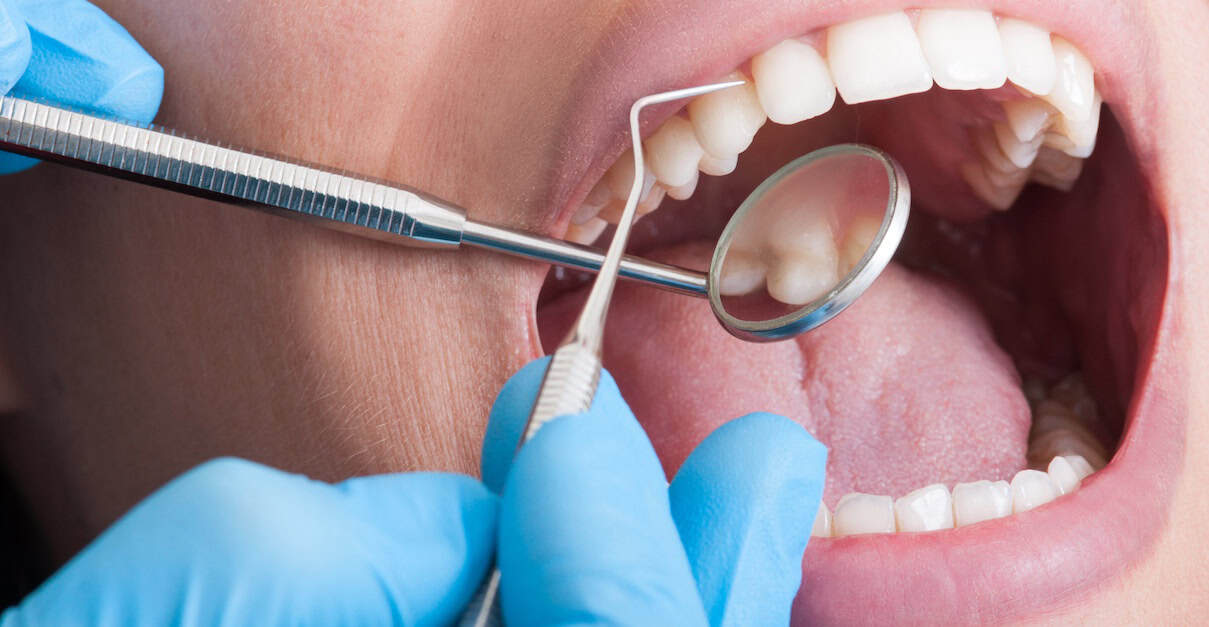
During an examination, your dentist checks for visible signs of decay, weakened enamel, and other changes in your teeth.
Dental X-rays can also detect cavities between teeth or beneath existing restorations that aren’t visible during a routine exam.
According to the American Dental Association, cavities may not cause symptoms when they first develop, making regular dental visits especially important.
How Can You Prevent Cavities?
Even if your teeth feel healthy, good oral hygiene reduces your risk of developing cavities.
Brush twice daily with fluoride toothpaste, floss daily, limit sugary snacks and drinks, and schedule regular dental visits.
Professional cleanings and exams let your dentist monitor your oral health and recommend preventive care based on your needs.
Schedule a Dental Checkup in Charlotte, NC
Just because your tooth doesn’t hurt doesn’t mean it’s free from decay. Catching cavities early can help preserve your natural teeth and prevent more extensive dental treatment.
At Caldwell, Bills, Petrilli & West Dentistry, we help patients throughout Charlotte, NC, and the Arboretum area maintain healthy smiles through preventive and restorative dental care.
Whether you’re due for a routine examination or have questions about a cavity, our team is here to help.
Learn more about our dental services or schedule an appointment today.